
Fire-Resistant Plant Spotlight: Oregon Grape for Northeast Washington and North Idaho
Native, edible, and fire-resistant: Oregon Grape strengthens defensible landscapes in NE Washington and North Idaho.
When designing defensible landscapes, selecting native, fire-resistant shrubs that thrive in your region is key. One excellent choice for Northeast Washington and North Idaho is Oregon Grape (Mahonia spp.). This hardy, evergreen shrub is not only resilient but also edible and ecologically beneficial.
At Ignition Zone Solutions, we focus on inspection, assessment, and planning to help landowners integrate plants like Oregon Grape safely into ignition zone landscapes without performing the physical planting ourselves.
Why Oregon Grape Works in Fire-Resistant Landscapes
1. Fire-Resistant Characteristics
Oregon Grape has low resin content and moderate moisture, making it less prone to ignition.
Its dense, upright growth is manageable and helps reduce ladder fuels near structures.
2. Native Adaptation
Thrives in NE WA and North ID climates, tolerating cold winters, snow, and dry summers.
Supports native wildlife, including pollinators and birds that feed on berries.
3. Edibility and Landscaping Benefits
Produces bright yellow flowers in spring and blue edible berries in summer/fall.
Can be used as a hedge, naturalized border, or ornamental accent while remaining low-risk for fire spread.
Evergreen foliage provides year-round visual interest and soil stabilization.
4. Ecological Support
Oregon Grape improves biodiversity by attracting pollinators and providing food for birds.
Its roots help stabilize slopes and open areas, reducing erosion while maintaining defensible space.
Strategic Placement for Fire Safety
Even fire-resistant plants must be strategically placed:
0–30 Feet: Space shrubs to avoid continuous fuels near structures. Prune regularly to remove dead leaves or stems.
30–100+ Feet: Use in clusters or naturalized areas to create fuel breaks while enhancing landscape aesthetics.
Maintenance: Regular pruning and removal of leaf litter ensure low fire risk.
Ignition Zone Solutions’ Role
While we do not install plants, our services help landowners:
Conduct wildfire inspections and risk assessments
Recommend placement and integration of native shrubs like Oregon Grape
Align landscape planning with defensible space standards and insurance considerations
Design landscapes that are safe, ecologically beneficial, and regionally appropriate
Oregon Grape demonstrates how fire-resistant, native, and edible plants can all work together to strengthen ignition zone landscapes while enhancing the beauty and ecological health of your property.
Contact Ignition Zone Solutions to schedule a consultation and learn how Oregon Grape and other native shrubs can help create a fire-resilient landscape in Northeast Washington and North Idaho.

Fire-Resistant Plant Spotlight: Lilacs
Lilacs combine beauty, fragrance, and fire-resistant qualities. Proper placement makes them a safe, resilient addition to ignition zone landscapes in NE Washington and North Idaho.
Fire-Resistant Plant Spotlight: Lilacs for Northeast Washington and North Idaho
When planning defensible landscapes, selecting plants that are both beautiful and resilient is key. In Northeast Washington and North Idaho, lilacs (Syringa spp.) are a classic example of a shrub that supports fire-resistant landscapes, adds seasonal interest, and naturally fits the region.
At Ignition Zone Solutions, we focus on inspection, planning, and site-specific guidance to help landowners integrate plants like lilacs safely and effectively into their ignition zone landscapes.
Why Lilacs Are a Smart Choice
1. Fire-Resistant Qualities
Lilacs have low resin content and moderate moisture, reducing their flammability compared to highly resinous shrubs.
Their structure is generally open and manageable, which reduces ladder fuel risks near homes.
2. Regional Adaptation
Lilacs thrive in NE WA and North ID, tolerating cold winters, snow, and dry summer conditions.
Hardy, drought-tolerant varieties adapt well to rural yards, open fields, and hedgerows.
3. Landscaping Benefits
Showy, fragrant flowers provide seasonal aesthetic appeal.
Dense but open growth allows lilacs to serve as hedges, natural borders, or ornamental accents without creating fire hazards.
4. Edibility and Wildlife Support
Some lilac species produce edible flowers that can be used in teas or culinary garnishes.
Birds and pollinators are naturally attracted to lilacs, supporting biodiversity in defensible spaces.
Strategic Placement for Fire Safety
Even fire-resistant plants require thoughtful placement:
0–30 Feet: Space shrubs to avoid continuous fuel near structures. Avoid dense planting against foundations.
30–100+ Feet: Lilacs can be grouped or staggered to create fuel breaks and visually pleasing landscapes.
Ensure pruning and maintenance to remove dead wood and leaf litter, keeping the plant low-risk.
Ignition Zone Solutions’ Role
While we do not plant or install landscaping ourselves, we help landowners:
Inspect properties and assess fire-risk vegetation
Develop defensible planting plans featuring shrubs like lilacs
Align plant selection with defensible space standards and insurance considerations
Maintain a balance between safety, aesthetics, and regional appropriateness
With proper planning, lilacs provide fire-resistant beauty and functional benefits, making them a valuable component of ignition zone landscapes in NE Washington and North Idaho.
Contact Ignition Zone Solutions to schedule a wildfire inspection or plant planning consultation and learn how lilacs can strengthen the safety and beauty of your property.
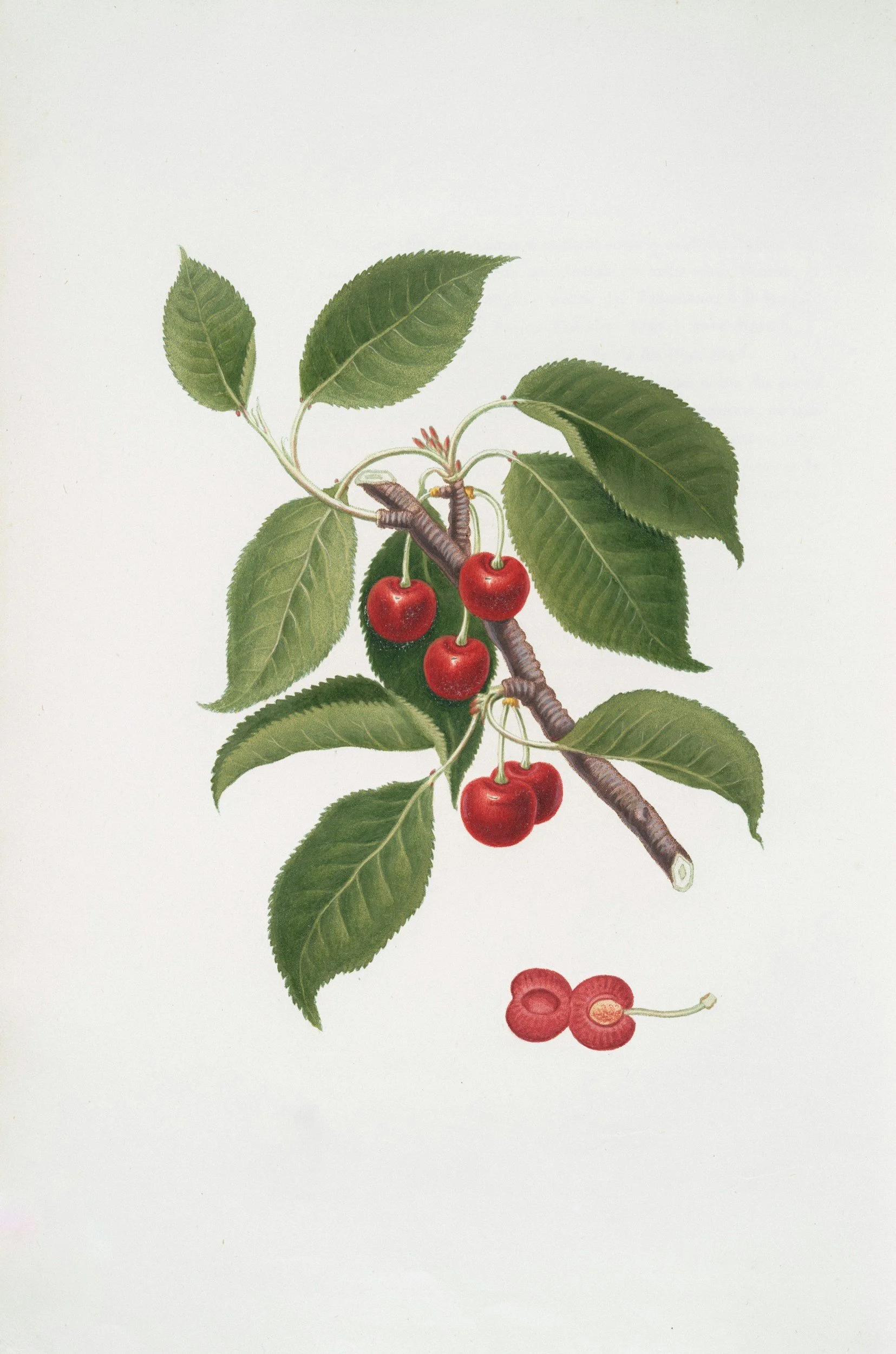
Fire-Resistant Plant Spotlight: Serviceberry for Northeast Washington and North Idaho
Serviceberry is a native shrub that combines beauty, edible fruit, and fire-resistant qualities. Properly placed, it strengthens defensible landscapes in NE Washington and North Idaho.
Fire-Resistant Plant Spotlight: Serviceberry for Northeast Washington and North Idaho
Wildfire planning isn’t just about clearing brush—it’s about choosing the right plants for the right place. One native shrub that thrives in Northeast Washington and North Idaho while supporting defensible landscapes is Serviceberry (Amelanchier spp.).
At Ignition Zone Solutions, we emphasize inspection, planning, and thoughtful planting design. Serviceberry is an example of a shrub that can enhance your landscape while reducing wildfire risk when placed strategically.
Why Serviceberry Works in Fire-Resistant Landscapes
Serviceberry offers multiple benefits for landowners and fire-conscious landscapes:
1. Low-Flammability
Unlike resin-heavy shrubs (juniper, cedar), Serviceberry has moderate moisture content and low oil/resin, making it less prone to ignition.
Its open branching habit reduces ladder fuels near homes and outbuildings.
2. Native Adaptation
Thrives in NE WA and North ID climates, tolerating cold winters, snowpack, and dry summers.
Supports local wildlife with berries that feed birds and small mammals.
3. Landscaping Benefits
Provides seasonal interest with white spring flowers, edible berries, and vibrant fall foliage.
Can be used as a hedge, ornamental accent, or naturalized screen without creating dense, high-risk plantings.
4. Soil and Erosion Support
Well-adapted roots help stabilize slopes and open areas, reducing erosion while maintaining defensible space.
Strategic Placement Matters
Even fire-resistant shrubs must be strategically located:
Within 0–30 feet of structures: Use Serviceberry in widely spaced clusters to reduce flame exposure.
30–100+ feet: It can fill open spaces and create a fuel break when interspersed with grasses and other low-flammability plants.
Avoid dense continuous hedges directly against buildings, especially near entry points where embers may accumulate.
Ignition Zone Solutions’ Role
While we do not plant shrubs ourselves, our team helps landowners:
Conduct property inspections to identify risk zones
Develop planting plans that integrate Serviceberry and other fire-resistant species
Align landscape decisions with defensible space and insurance considerations
With proper planning, Serviceberry can be part of a resilient, functional, and attractive ignition zone landscape.
Contact Ignition Zone Solutions to schedule a consultation and learn how fire-resistant shrubs like Serviceberry can enhance safety and beauty on your property.
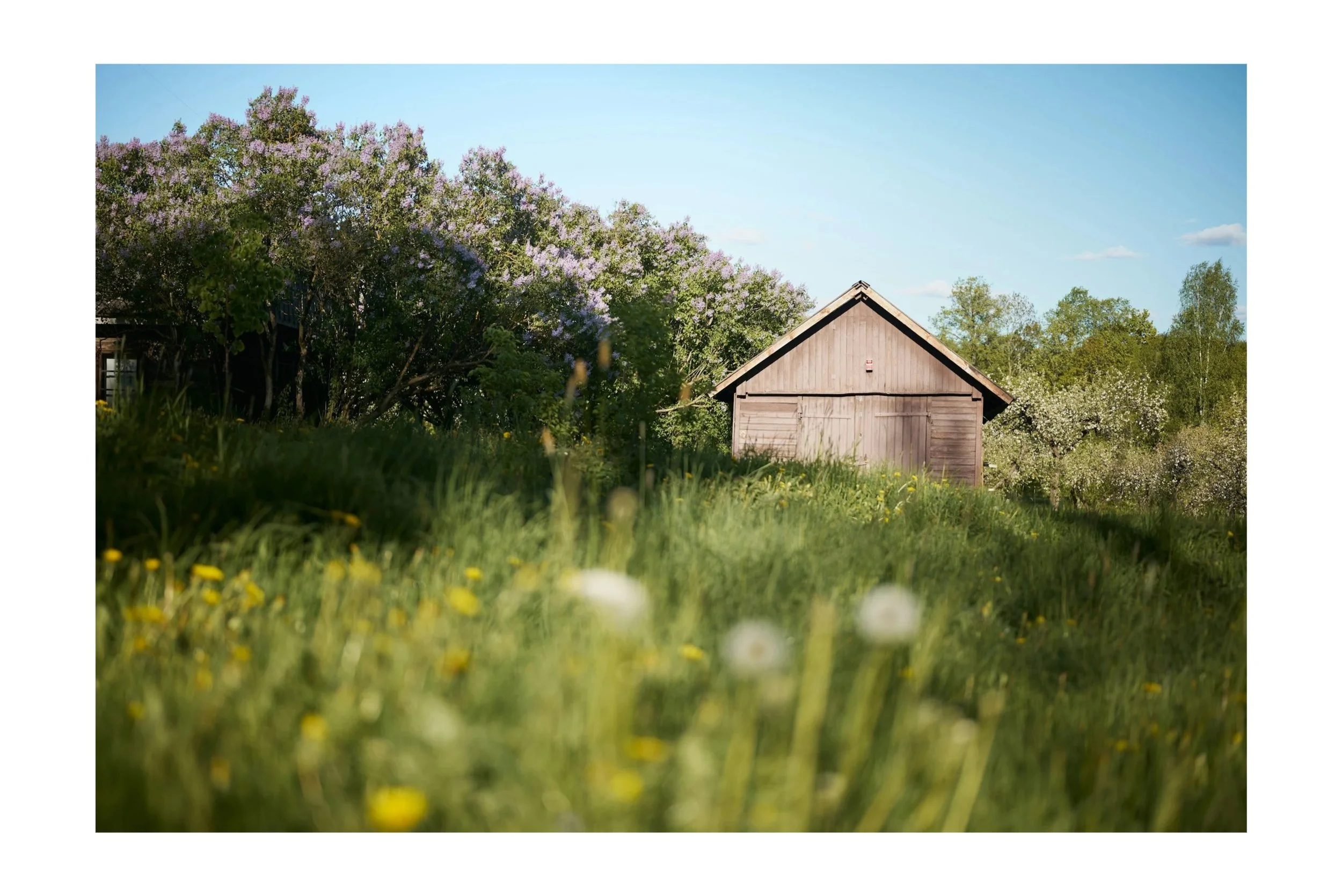
Fire Resistant Planting to reduce risk
In fire-prone landscapes, even familiar plantings influence wildfire behavior. Fire-resistant design focuses on spacing, placement, and long-term maintenance.
Fire-Resistant Planting in the Ignition Zone: Designing Landscapes That Reduce Risk
When wildfire threatens homes, attention often turns to clearing brush and reducing fuels. But what you plant—and how you arrange it—matters just as much. In the ignition zone, landscaping choices can either reduce wildfire exposure or unintentionally increase it.
At Ignition Zone Solutions, we approach fire-resistant planting as a planning and design challenge, not a checklist of approved plants. Effective landscapes reduce risk through spacing, placement, and long-term maintenance—while still supporting livable, functional outdoor spaces.
The Ignition Zone Is a Design Problem
The ignition zone generally extends 0–100 feet and beyond from structures. Within this area, fire behavior is strongly influenced by how vegetation is arranged:
Continuous fuels allow fire to move quickly
Dense plantings increase flame length and heat intensity
Poor spacing creates ladder fuels that carry fire toward structures
Fire-resistant planting focuses on interrupting these pathways.
Rather than asking, “What plants are fire-resistant?” a better question is:
“How does this planting behave under fire conditions?”
What “Fire-Resistant” Really Means
No plant is fireproof. Fire-resistant planting refers to vegetation that is less likely to ignite, burn intensely, or spread fire when properly maintained.
Common characteristics include:
Lower resin or oil content
Open, less dense growth habits
Higher moisture retention
Ease of pruning and cleanup
Equally important is how plants are grouped and spaced. Even low-flammability species can become hazardous when planted too densely or allowed to accumulate dead material.
Ignition Zone Priorities by Distance
0–5 Feet: Immediate Structure Zone
This zone should prioritize noncombustible surfaces and ember resistance. Vegetation here poses the highest risk and should be minimal or eliminated.
Fire-resistant design emphasizes:
Hardscape and noncombustible materials
Separation between plants and structures
Avoiding foundation plantings that trap embers
5–30 Feet: Managed Fuel Zone
In this area, the goal is to reduce flame length and heat exposure.
Key principles include:
Widely spaced plantings
Low-growing, well-maintained vegetation
Avoiding continuous shrub or grass beds
30–100+ Feet: Modified Landscape Zone
This zone supports fuel reduction and continuity breaks across the broader landscape.
Here, thoughtful planting can:
Reduce fire spread toward structures
Break up large fuel areas
Improve overall defensibility
Common Planting Mistakes in Fire-Prone Landscapes
Many wildfire risks come from well-intentioned but problematic design choices:
Dense foundation shrubs
Ornamental grasses near structures
Juniper, cedar, or other resin-heavy plants used as accents
Layered plantings that create ladder fuels
Organic mulches placed directly against buildings
Fire-resistant planting is often about what not to do, as much as what to include.
Planning Before Planting
Successful ignition zone landscapes start with inspection and assessment.
Before recommending changes, it’s important to understand:
Existing fuel arrangement
Slope and aspect
Structure vulnerabilities
Access routes and defensible space expectations
This planning-first approach helps landowners make informed decisions that balance wildfire risk, usability, and maintenance realities.
Ignition Zone Solutions: Planning for Resilient Landscapes
At Ignition Zone Solutions, we conduct wildfire inspections and develop site-specific mitigation plans that address vegetation, defensible space, and ignition zone design.
While we do not perform landscape installation or mitigation work, we help landowners:
Identify high-risk plantings
Understand ignition zone priorities
Develop practical, defensible planting strategies
Align landscaping decisions with wildfire and insurance considerations
Fire-resistant planting is not about sacrificing your landscape—it’s about designing it with risk in mind.
If you’re planning changes to your ignition zone landscape or want clarity on existing vegetation risks, we can help.
Contact Ignition Zone Solutions to schedule a wildfire inspection or ignition zone planning consultation.
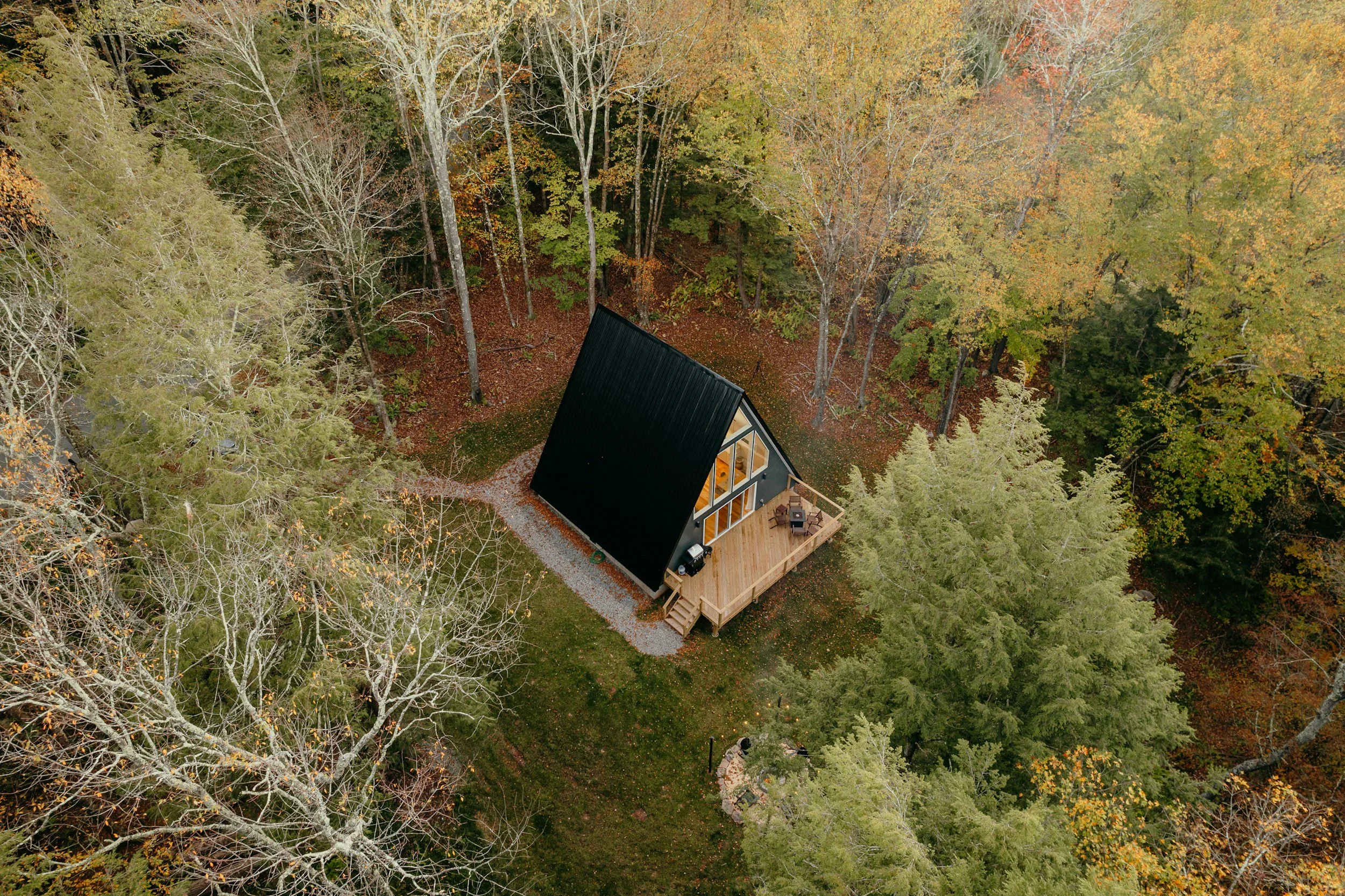
Targeted Grazing for Wildfire Mitigation in Northeast Washington and North Idaho
Living in fire country means managing the land with intention. In NE Washington and North Idaho, strategic grazing can help reduce wildfire risk while preserving the character of rural landscapes.
Targeted Grazing For Wildfire Mitigation in NE WA and N IDaho
Wildfire risk in Northeast Washington and North Idaho is not theoretical—it is seasonal, persistent, and growing. Longer fire seasons, heavy fine fuels, and expanding development in forested and rural landscapes have made proactive mitigation essential for landowners and communities across the region.
In this context, targeted livestock grazing is emerging as one of the most practical and regionally appropriate wildfire mitigation tools available.
At Ignition Zone Solutions, we focus on inspection, assessment, and mitigation planning that reflect the realities of this landscape—working forests, mixed-use rural properties, and a strong land stewardship ethic. Strategic grazing fits naturally into that equation, even when the implementation is carried out by landowners or grazing partners.
A Regional Fire Problem Requires Regional Solutions
Northeast Washington and North Idaho share several wildfire risk factors:
Heavy grass and fine-fuel growth following wet springs
Forested terrain with ladder fuels along edges and openings
Long travel corridors, driveways, and access roads bordered by vegetation
Increasing development in the wildland–urban interface (WUI)
These conditions create fast-moving fires that threaten homes, infrastructure, and access routes—often before suppression resources can arrive.
Why Grazing Works in NE Washington and North Idaho
Targeted grazing is especially effective in this region because it aligns with both land use patterns and fire behavior characteristics.
Fine Fuel Reduction Where It Matters Most
Sheep and cattle are highly effective at reducing grasses and foliage that drive rapid fire spread across open ground, pasture edges, and forest clearings.
By lowering fuel height and density, grazing helps:
Reduce flame lengths
Slow rates of spread
Improve defensibility for homes and roadways
Maintaining Forest Edges and Openings
Forest margins, meadows, and transition zones are common ignition pathways in NE WA and North ID. Grazing keeps these areas from becoming overgrown fuel beds that funnel fire toward timber and structures.
Access-Friendly Mitigation
Steep slopes, rocky soils, and dispersed properties can make mechanical treatments difficult or expensive. Livestock can work these areas with minimal disturbance, making grazing a cost-effective maintenance option for large or irregular parcels.
Grazing and Defensible Space in Rural Landscapes
Defensible space in this region often extends well beyond a small residential footprint. Long driveways, outbuildings, perimeter fencing, and adjacent open land all contribute to wildfire exposure.
Strategic grazing supports defensible space by:
Maintaining low fuel profiles along access routes
Reducing grass-driven fire spread between parcels
Supporting extended defensible space expectations common in rural counties
Rather than a one-time clearance, grazing helps landowners maintain compliance over time.
Supporting Insurability and Long-Term Risk Reduction
As insurance scrutiny increases in wildfire-prone areas, landowners in Northeast Washington and North Idaho are being asked to demonstrate ongoing vegetation management.
Grazing provides:
Repeatable, seasonal fuel reduction
Documentable mitigation activity
A visible commitment to risk reduction
When integrated into a broader wildfire mitigation plan, grazing strengthens a property’s overall risk profile.
Working With the Landscape, Not Against It
This region has a long history of agriculture, grazing, and working lands. Strategic grazing builds on that legacy while addressing modern wildfire challenges.
When properly planned, grazing:
Complements forestry and agricultural operations
Supports soil health and plant diversity
Reduces reliance on repeated mechanical treatments
It is not a standalone solution—but it is a powerful, regionally appropriate tool when used intentionally.
Ignition Zone Solutions: Local, Practical Mitigation planning
At Ignition Zone Solutions, our role is to evaluate wildfire risk, conduct site inspections, and develop defensible, site-specific mitigation plans for properties across Northeast Washington and North Idaho. While we do not perform the physical mitigation work ourselves, we help landowners understand what needs to be done, where, and why—including when targeted grazing is an appropriate tool.
Our plans are designed to:
Align with defensible space standards
Support insurance and risk-reduction goals
Integrate practical tools such as grazing, mechanical treatment, or forestry work
By separating planning from implementation, we remain focused on objective, risk-informed guidance that landowners can confidently act on.
If you’re preparing for wildfire season and need a clear, defensible mitigation plan tailored to your property, we can help.
Contact Ignition Zone Solutions to schedule a wildfire inspection or mitigation planning consultation in NE Washington and North Idaho.

Grazing for Defensible space and Insurance resilience
Managing wildfire risk means thinking beyond the home footprint. Strategic grazing supports defensible space across larger, connected landscapes
As wildfire risk continues to reshape how and where people can live and do business, insurance availability and defensible space compliance have become front‑and‑center concerns for property owners. Across the West, insurers are tightening requirements, increasing premiums, or declining coverage altogether in high‑risk areas.
One tool is increasingly helping landowners meet these challenges—often overlooked, but highly effective: strategic livestock grazing.
At Ignition Zone Solutions, we view grazing not just as land management, but as a practical risk‑reduction strategy that aligns with modern insurance expectations and defensible space standards.
The Insurance–Wildfire Reality
Insurance providers are no longer looking only at where a property is located—they’re evaluating how it is managed.
Common factors insurers assess include:
Fuel density and continuity near structures
Maintenance of defensible space zones
Road access and perimeter conditions
Evidence of ongoing vegetation management
Properties that demonstrate active, repeatable fuel reduction are better positioned when underwriting decisions are made.
Defensible Space Is Not a One‑Time Project
Many landowners treat defensible space as a checklist:
Mow once
Clear brush once
Pass inspection
But vegetation grows back—often quickly.
Fine fuels like grasses and invasive weeds can return within a single season, recreating the same wildfire exposure insurers and fire agencies are concerned about.
Grazing changes that equation.
How Grazing Supports Defensible Space Standards
Strategic grazing works with defensible space principles rather than replacing them.
0–5 Feet: Ember Resistance Support
While grazing is not used directly adjacent to structures, it reduces surrounding flame lengths, decreasing ember production and radiant heat exposure near homes.
5–30 Feet: Fuel Height and Density Control
Sheep and goats effectively maintain low fuel heights in this critical zone, helping keep grasses from becoming fast‑moving ignition pathways.
30–100+ Feet: Fuel Continuity Reduction
Livestock create broader fuel modification zones that interrupt continuous vegetation—supporting the intent of extended defensible space requirements.
The result is a maintained landscape, not just a temporarily cleared one.
Why Insurers Pay Attention to Grazing
From a risk perspective, grazing offers several advantages insurers value:
Consistency: Grazing can be repeated seasonally, reducing regrowth risk
Documentation: Grazing plans, schedules, and outcomes can be documented
Reduced Ignition Potential: Lower fine fuels mean lower fire spread probability
Access Maintenance: Grazing keeps roads, driveways, and access corridors clear
In short, grazing demonstrates ongoing risk management, not reactive cleanup.
Grazing vs. Mechanical Maintenance for Compliance
Mechanical mowing and brush removal remain important tools—but they often:
Leave cut material behind
Require repeated equipment mobilization
Become cost‑prohibitive over time
Grazing converts vegetation into removal, not debris, while maintaining compliance‑friendly fuel profiles throughout the fire season.
For many properties, grazing is the missing maintenance layer that keeps defensible space intact between inspections.
Strengthening Your Risk Profile Before Fire Season
Wildfire mitigation is no longer just about fire behavior—it’s about insurability, access, and long‑term property resilience.
When grazing is integrated into a broader mitigation plan, it:
Supports defensible space compliance
Reduces exposure metrics insurers care about
Demonstrates responsible land stewardship
Helps stabilize long‑term maintenance costs
Ignition Zone Solutions: Risk‑Informed Mitigation
At Ignition Zone Solutions, we design wildfire mitigation strategies that account for fire science, defensible space standards, and real‑world insurance pressures.
Strategic grazing is one of the tools we recommend to help landowners move from one‑time clearance toward sustained risk reduction.
If you’re navigating defensible space requirements or preparing for insurance review, grazing may be a smarter, more resilient option than you think.
Contact Ignition Zone Solutions to explore how grazing can strengthen your wildfire and insurance readiness.
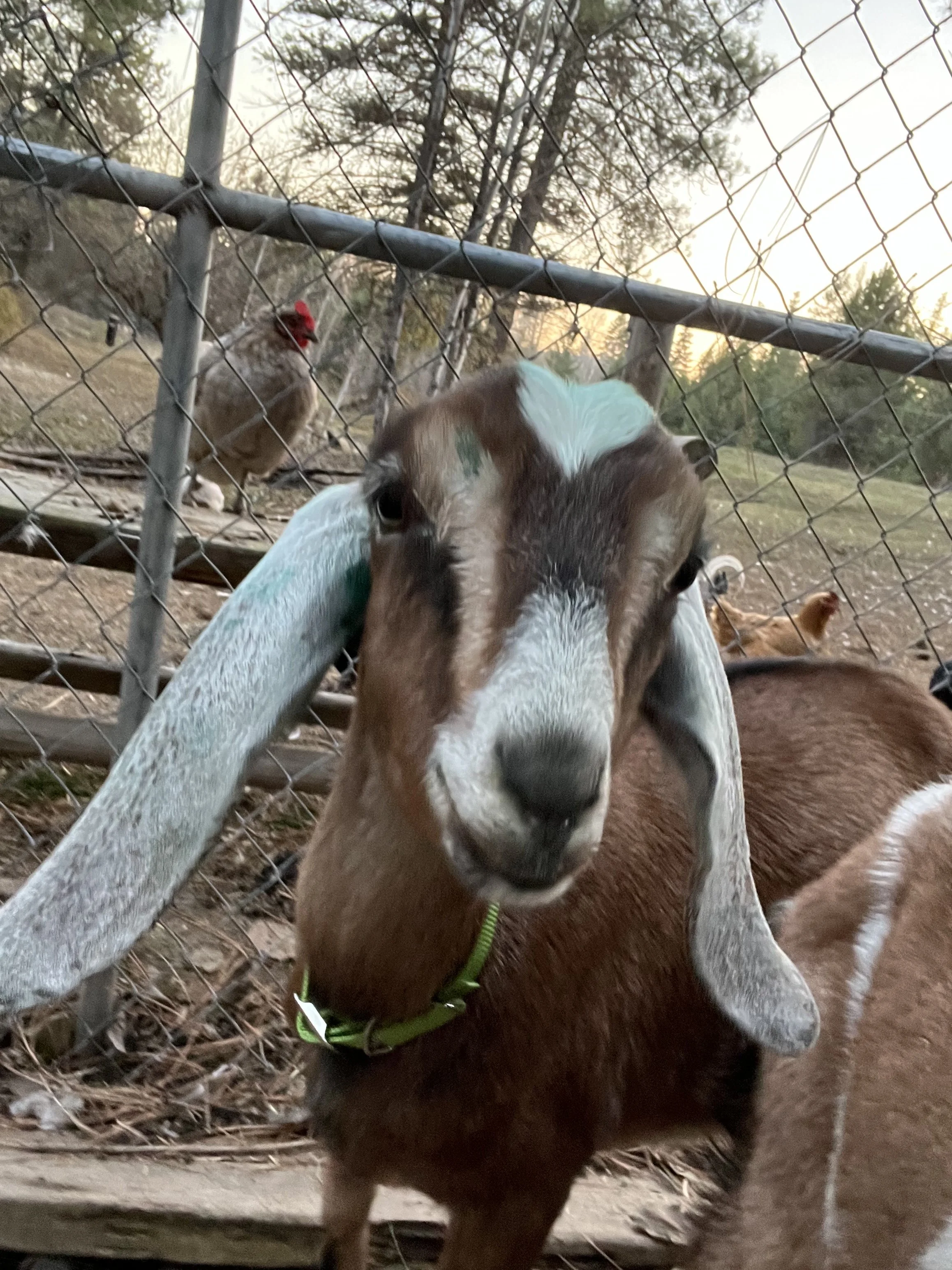
Using Livestock as a Wildfire Mitigation Tool
Goats and other grazing animals are more than cute—they’re an effective tool in wildfire mitigation and ignition zone management.
Wildfires are becoming more frequent, more intense, and more destructive across the West and beyond. As landowners, communities, and agencies search for effective prevention strategies, one time-tested solution is gaining renewed attention: using livestock as a wildfire mitigation tool.
At Ignition Zone Solutions, we believe wildfire resilience starts before the first spark. Strategic grazing is one of the most practical, environmentally responsible tools available to reduce wildfire risk while supporting healthy landscapes.
Why Vegetation Management Matters
Wildfires thrive on fuel. Dry grasses, invasive weeds, brush, and ladder fuels allow small ignitions to grow rapidly and carry fire into trees, structures, and communities.
Traditional fuel reduction methods—such as mechanical mowing or prescribed burns—can be effective, but they are often costly, equipment-intensive, and limited by terrain, weather, and regulations.
That’s where livestock come in.
How Livestock Reduce Wildfire Risk
Strategically managed livestock grazing reduces wildfire risk in several key ways:
1. Fuel Load Reduction
Sheep, goats, and cattle consume fine fuels like grasses and forbs that ignite easily and spread fire quickly. By reducing this fuel load, grazing lowers flame lengths and slows fire spread.
2. Targeted Grazing in High-Risk Areas
Livestock can access steep, rocky, or sensitive terrain where machinery cannot safely operate. This makes them ideal for:
Defensible space zones
Roadways and utility corridors
Forest edges and wildland–urban interfaces (WUI)
3. Breaking Up Fuel Continuity
Grazing creates natural fuel breaks by interrupting continuous vegetation. These breaks can help firefighters gain control and protect critical assets during a wildfire.
4. Long-Term Landscape Health
When properly managed, grazing supports native plant diversity, reduces invasive species, and improves soil health—creating landscapes that are more resilient to fire over time.
Sheep and Goats: Nature’s Precision Tools
Different animals bring different strengths to wildfire mitigation:
Sheep are excellent at consuming grasses and fine fuels.
Goats specialize in brush, shrubs, and woody vegetation—often the ladder fuels that carry fire upward.
Chickens and other birds eat insects that can damage trees, they also consume grasses and weeds.
Used together or individually, these animals provide a level of precision that mechanical methods often can’t match.
A Proven, Sustainable Solution
Livestock grazing is not a new idea—it’s a proven land management practice with deep roots in ecological stewardship. What is new is the growing recognition of its role in modern wildfire mitigation.
When done intentionally, grazing:
Reduces fire intensity
Protects homes and infrastructure
Supports working lands
Enhances ecosystem resilience
Partnering with Ignition Zone Solutions
At Ignition Zone Solutions, we design wildfire mitigation strategies that work with the land—not against it. We collaborate with landowners, ranchers, and communities to implement targeted grazing plans that reduce risk while delivering real environmental benefits.
If you’re looking for proactive, sustainable wildfire mitigation, livestock may be part of the solution.
Contact Ignition Zone Solutions today to learn how strategic grazing can help protect your land and your community.

Insurance and Homeowners in Wildfire Prone Areas: A Complex Relationship
As wildfires grow more frequent and intense across the West, the relationship between homeowners and insurance companies is being reshaped. What was once considered an occasional catastrophe risk is now becoming an annual reality for many communities. This shift has consequences for both sides of the insurance contract.
1. Rising Risk, Rising Cost:
Insurance companies price risk based on probability and severity of loss. In wildfire-prone areas, those risks have escalated dramatically, leading to higher premiums, stricter underwriting, and in some cases, non-renewals. Homeowners often feel blindsided, but from the insurer’s perspective, payouts are climbing faster than premiums can cover.
2. The Homeowner’s Dilemma:
For homeowners, insurance is both a financial safeguard and often a requirement of holding a mortgage. When policies are cancelled or priced beyond reach, families are left with tough decisions: sell, go uninsured, endure force placed insurance cost or search for last-resort coverage through state backed “fair access” plans that may be expensive and limited.
3. Mitigation as Common Ground:
One area of alignment is mitigation. By hardening homes-clearing defensible space, installing fire-resistant roofs, vents and siding- homeowners can reduce their risk profile. Many insurers are beginning to recognize and reward these efforts with premium credits or renewed eligibility. Still, there is no universal standard, and the burden often falls on homeowners to prove their efforts.
4. How Ignition Zone Solutions Bridges the Gap:
This is where Ignition Zone Solutions comes in. Our mission is to help homeowners protect both their homes and their policies by providing trusted wildfire risk assessments and mitigation planning. We act as a bridge between the homeowner’s efforts and the insurer’s expectations by:
Assessing wildfire risk in measurable, insurer-friendly terms that go beyond generic advise
Creating clear, prioritized action plans so homeowners know exactly which upgrades matter most
Providing ongoing support to ensure properties remain compliant with evolving standards
By serving as a trusted third party, Ignition Zone Solutions ensures homeowners investments in mitigation are visible and credible. This builds trust with insurers, increases the likelihood of coverage continuity, and gives the homeowners confidence that their hard work won’t go unnoticed.
5. The Trust Factor:
The relationship between insurers and homeowners hinges on trust. Homeowners want assurance that if they invest in mitigation, their coverage won’t dissappear. Insurers want confidence that the communities are reducing risk at scale, not just at individual homes. With Ignition Zone Solutions, that trust is strengthened: we validate the homeowner’s efforts and translate them into language insurers understand.
6. Looking Ahead:
The future of wildfire insurance likely lies in partnerships-between insurers, homeowners, mitigation companies like Ignition Zone Solutions and local fire agencies. Education, transparency, and consistent standards for mitigation could help stabilize coverage in high-risk areas. Until then, homeowners in wildfire country must navigate a challenging insurance landscape where the stakes are nothing less than their homes safety and financial security.
Contact Ignition Zone Solutions today to schedule your wildfire risk assessment. Protect your home -and your policy- before the next fire season!